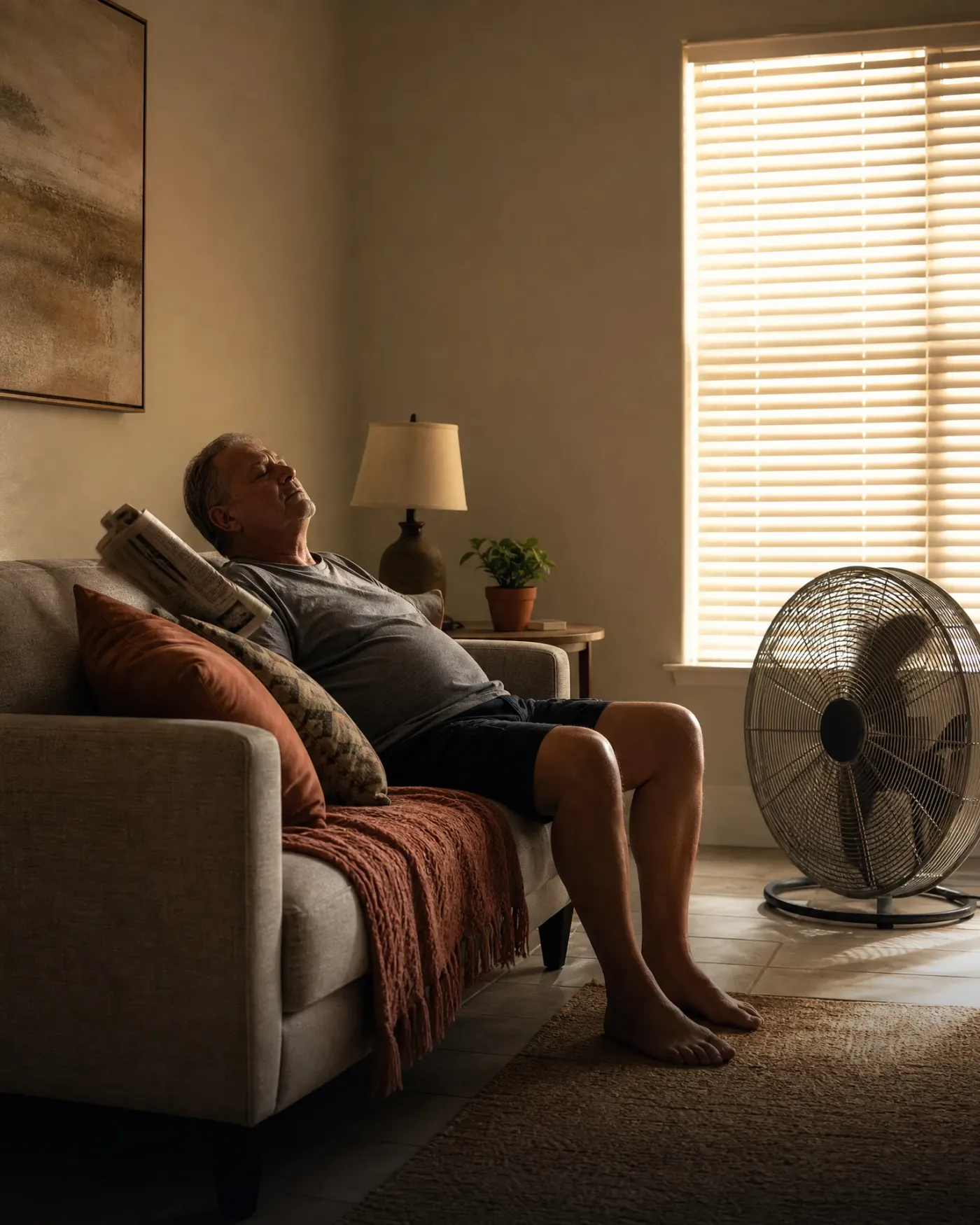
Why your AC smells like burning in Arizona
A burning smell from your AC usually means something electrical is overheating, like a failing motor or a wire with worn insulation, not the refrigerant itself. Arizona summers push these systems hard, running for hours at a time in triple-digit heat, and that extra strain wears on motors and electrical connections faster than it would somewhere milder. A sharp, acrid smell often points to a motor winding breaking down or a capacitor going bad. A smell more like dust burning is usually just the first run after sitting idle and clears up on its own. If the smell lingers past that first cycle, or comes with the system tripping a breaker, it needs a look before you run the AC again. Running it with an electrical fault can mean a bigger repair later, or no cooling at all in the middle of a 110 degree week.
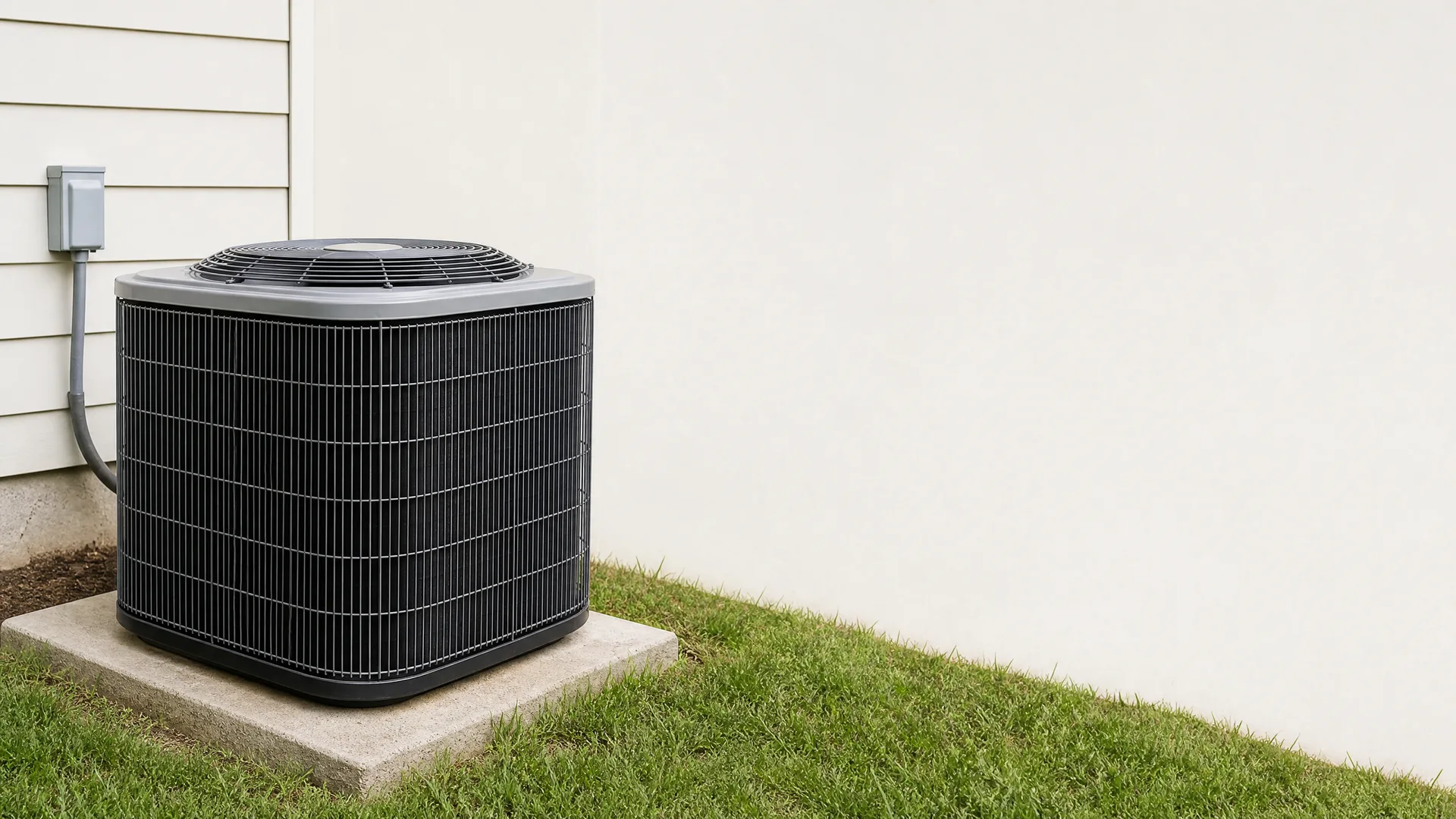
What's actually overheating
A blower motor or fan motor works hardest in July and August, when your AC can run for most of the day without a real break. Bearings wear, windings heat up more than they should, and the insulation on the motor's wiring can scorch. That scorched-wire smell is sharp, almost like a struck match, and it usually fades within a few minutes after the system shuts off. If it lingers past that, the motor is still hot enough to keep burning off whatever it touched.
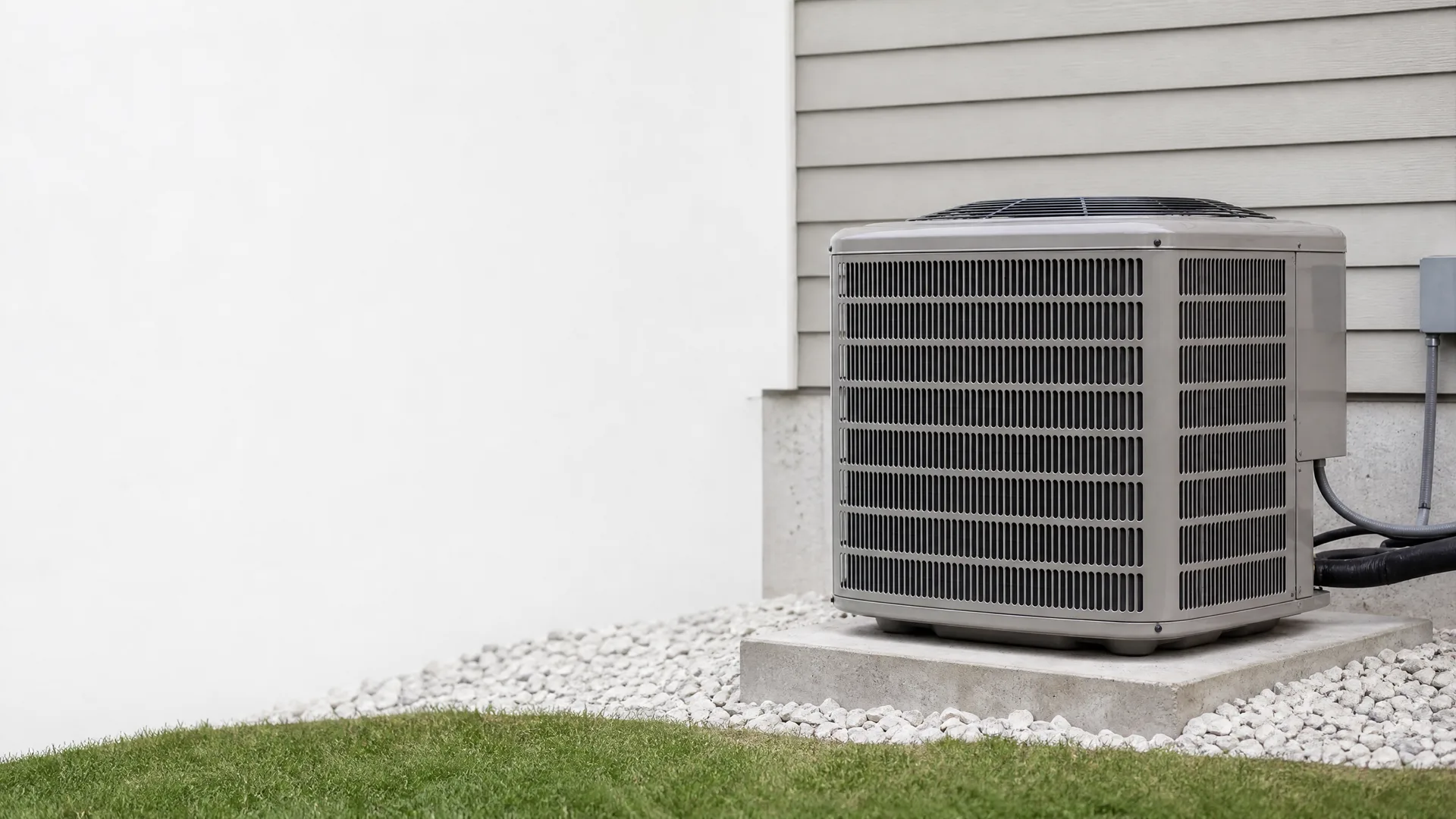
Why the smell comes and goes
A dirty filter or a blocked vent makes the system work harder to push air through the house, and that extra strain lands on the motor and the electrical connections feeding it. The smell often shows up right when the unit kicks on, as components heat up fast, then disappears once everything reaches a steady temperature. That pattern doesn't mean the problem solved itself. It means the system is cycling through the same overheating each time it starts, which wears down the same parts a little more.
Burning Smell: Electrical or Just Dust
Electrical burning smell
- The smell is sharp, like hot plastic or scorched wire, and it often comes with the AC blowing warm or not starting at all.
- A failing capacitor or a motor with worn winding insulation is the usual cause, and both are parts a contractor can test directly.
- Shutting the system off at the thermostat and leaving it off until someone looks at it is the safer move, since a motor that keeps running while it overheats can damage the wiring around it.
- If the smell shows up right when the AC kicks on and fades once it's been running a while, that points to a part heating up at startup, like a capacitor or relay.
- A tripped breaker alongside the smell usually means the electrical problem has already gotten bad enough to pull real current.
Dust burning off
- This smell is more like hot dust than melting plastic, and it usually shows up the first time the AC runs after sitting idle for a while.
- It comes from dust settled on the coil or inside the blower housing burning off the warm metal, and it's common at the start of a long run in July or August heat.
- This kind of smell is usually brief, fading within the first several minutes the system is running.
- If it comes back every time the AC cycles on, rather than just the first time, that's worth having checked rather than assumed.
- A dirty filter makes this more likely, since it lets more dust reach the coil and blower instead of catching it first.




Finding a pro stops being your job
A burning smell is not something to sit on through another Arizona afternoon in triple digits. Each hour the system keeps running, a motor already struggling or a wire already breaking down insulation gets closer to failing outright, and with an electrical problem that can mean more than a system that just quits. On your own, fixing this means finding a contractor who works on AC electrical issues specifically, calling around to see who can look at it soon, explaining the smell and when it happens over and over, then weighing quotes against each other while the unit sits there. Sending the request here means none of that lands on you. You describe what you're smelling once, and from there it is someone else's job to take it from here, not yours to keep chasing. That difference matters most right now, with the smell already showing up and the heat not letting up anytime soon.
Your AC isn't just an appliance here. It's what keeps the house livable from May through September, and a burning smell means it could quit on the afternoon you need it most.
Keep running it and you're not waiting out a minor issue. You're risking the one thing standing between your household and a 110 degree house with no fix in sight.
Power costs 15.26 cents per kilowatt-hour statewide
At 15.26 cents per kilowatt-hour, running a struggling motor or blower any longer than you have to adds up fast on top of what your AC already pulls in a Phoenix summer. A part that's overheating is also pulling more power than it should, so the smell is costing you before it ever fails outright.
EIA-861 2025 statewide residential average
What the smell tells you
- A burning smell almost always points to an electrical problem, not a refrigerant leak.
- The usual suspects are a failing motor, a bad capacitor, or wiring with worn insulation.
- Arizona summers push these parts harder, with the AC running long hours in triple-digit heat.
- Running the system after the smell starts risks a full breakdown instead of a repair.
- A contractor can find the exact part and shut off the risk before it becomes a bigger failure.
- Every hour spent running it also means the overheating part is pulling more power than it should.
A burning smell from your AC has a short list of real causes, and refrigerant is not one of them. Refrigerant has a sweet, almost chemical smell, not a burning one. What you're smelling is something electrical heating up past where it should: a motor winding breaking down, a capacitor failing, or insulation on a wire wearing through and scorching against metal. Arizona summers make this more likely, not less. An AC running most of the day for weeks straight gives a weak part no real chance to cool off between cycles, and that's exactly when bearings seize, windings overheat, and old insulation finally gives out.
None of these are problems that get better with time. A motor that's already struggling keeps drawing more current to do the same work, which means more heat, which means the part fails faster the longer it runs. A frayed wire doesn't re-insulate itself. Left alone, either one can take the system down entirely, often on the afternoon it's working hardest to keep the house livable. A contractor can trace the smell to the actual part, whether that's the blower motor, the capacitor, or the wiring itself, and shut off the risk before it turns into a bigger repair.
The smell is information. It's telling you a part is overheating right now, not that something might go wrong eventually. Treating it that way, as a specific problem with a specific cause, is what gets it fixed instead of ignored until the system quits.


Let someone else find the pro
A burning smell from your AC points to an electrical part failing, not a refrigerant problem, and in a Phoenix summer that's not something to wait out. Finding a licensed contractor on your own means searching, calling around, and explaining the same smell to each one before you even get a quote. Send this form and that work is done. You're handed someone qualified to find the failing motor, capacitor, or wiring and get your AC running safely again.
Describe what your air conditioner is doing once, in one form.
There's no charge for the request.