




Why your AC outdoor fan isn't spinning in Arizona

Once you send the form, finding a pro is off your list.

Hand it off

Why isn't the outdoor fan on my AC spinning?

Your air conditioner is running, or trying to, but the outdoor unit sits quiet. In Arizona heat that fan not turning means your AC isn't actually cooling the refrigerant, no matter what's happening inside the house. You want to know what's keeping it still before the house gets any hotter, and whether it's something worth looking at today or something that needs a qualified hand.

Usually a failed capacitor or fan motor, or a tripped breaker

The fan motor needs a jolt from a capacitor to start spinning, and that capacitor is one of the first parts to give out under Arizona heat. When it weakens, the motor hums but never turns. The motor itself can also just wear out after enough summers of running hard. Sometimes the fix is simpler: a tripped breaker or a blown capacitor on the outdoor disconnect can cut power to the unit entirely. Whatever the cause, a still fan means the outdoor unit isn't releasing heat, so the system keeps running without actually cooling. Left alone in Arizona summers, that strain can push the compressor toward failure, which costs far more to fix than the fan.

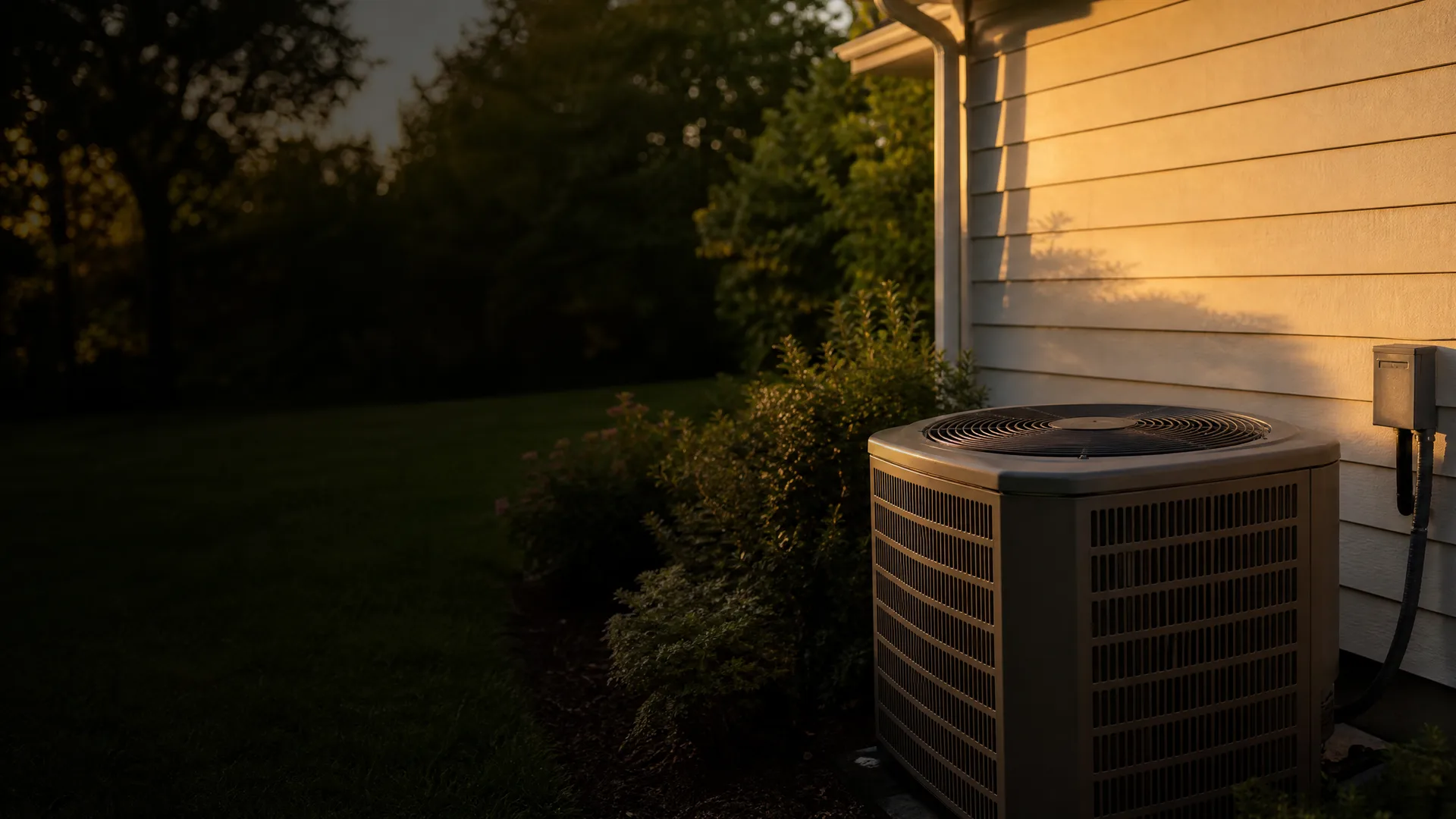
An outdoor air conditioner condenser unit beside a light-colored lap-sided house with an electrical disconnect box on the wall, surrounded by shrubs and lawn in low evening light.

You're out back around seven, the light going flat and gold over the block wall, heat still sitting heavy even though the sun's low. The unit's humming, that low electrical buzz, but the fan on top isn't moving. You crouch down and look through the grille. Nothing. No wobble, no tick, just the motor sound and still blades. Inside, the air coming through the vents feels warm, barely moving. You press a hand against the side panel and it's warm too, warmer than it should be sitting there doing nothing. The house behind you already feels like it's losing the fight it had an hour ago.

Power costs 15.26 cents per kilowatt-hour statewide

At 15.26 cents per kilowatt-hour, running your AC on a bad capacitor or a failing motor costs you the same whether that fan spins or not. A stuck fan means the compressor keeps drawing power trying to cool refrigerant that's going nowhere, so you pay for work the unit isn't doing.

EIA-861 2025 statewide residential average

You can try shutting the unit off at the breaker for a few minutes, then back on, in case a capacitor is just weak enough to need a push. Sometimes the fan kicks in and runs fine.

If it doesn't start on its own, leave the power off and leave the fan alone. A motor that hums but won't turn is usually drawing current it can't use, and a seized motor or a bad capacitor needs a licensed contractor to test and replace, not a reset.

A man with grey hair and stubble in a dark sweater sits on a grey sofa indoors, looking off to the side, with a potted plant and a sunlit window behind him.
A man with gray hair, a beard and glasses, wearing a dark green sweater, sits on a gray sofa in a sunlit living room with a potted plant, table lamp and wooden sideboard behind him.
A middle-aged man with graying hair and a short beard sits on a blue sofa in a living room, looking toward a window, with a bookshelf, lamp and framed picture in the background.
A man with graying curly hair and a dark green sweater sits on a gray sofa in a sunlit living room, looking off to the side, with a framed picture, shelving, an armchair and a window with sheer curtains behind him.

What usually stops the fan

Two things fail more than anything else out there. The capacitor that gives the fan motor its starting push weakens with heat, and Arizona summers put that part under load for months straight. Or the motor itself seizes up after years of running in the heat trapped inside that outdoor cabinet. Either one leaves the compressor running while the fan sits still. A contractor who works on these units every summer checks the capacitor first, because it fails more often and costs less to deal with than a motor.


Why a local tech matters here

Arizona summers push outdoor units harder than almost anywhere else, and a tech who works this climate all season has seen which capacitors and motors give out first in this heat. That's not the same as someone who mostly handles mild weather and treats your AC like every other call. One licensed local contractor gets matched to your request, so you're explaining your unit once, to someone who already knows what a stuck fan in July usually means before they get to your house.

A woman with shoulder-length brown hair wearing a beige knit cardigan sits in a gray upholstered armchair near a window, looking off to the side with a slight smile, with bookshelves blurred in the background.
A woman with her hair in a bun holds a sleeping young child against her chest, both wrapped in a textured beige knit blanket on a sofa in a dimly lit room with a lamp, framed picture, and bookshelf behind them.

Hand off the air conditioner problem

The pro who reaches out is licensed in Arizona.

There's no charge for the request.

  1. Compressor starts and refrigerant turns hot and pressurized

  2. Outdoor fan should pull air across the condenser coil

  3. Capacitor fails to give the fan motor its starting push

  4. Motor stays still while the compressor keeps running alone

Get It Fixed or Let It Ride

Call it in

  • A licensed tech can test the capacitor and the motor with a meter in a few minutes and tell you which one failed.
  • If it's the capacitor, swapping it is a quick, contained job that doesn't involve opening up the sealed refrigerant system.
  • A seized or burnt-out motor needs the right replacement part for your unit, not a generic swap that strains the new capacitor.
  • Someone who works on these units all summer in Arizona heat has likely already seen the exact failure sitting in your condenser.
  • Getting it diagnosed and fixed properly stops the compressor from running alone and taking damage from heat it can't shed.

Wait it out

  • Every hour the compressor runs without the fan turning is an hour it's building heat it has no way to release.
  • A breaker reset might get a weak capacitor to kick the fan back on, but that's a sign it's close to failing, not a fix.
  • Running the system this way risks pushing the compressor past what it can take in Arizona's heat, turning a capacitor job into a compressor replacement.
  • Leaving it alone and shutting the system off protects the compressor but leaves your house without cooling until someone looks at it.
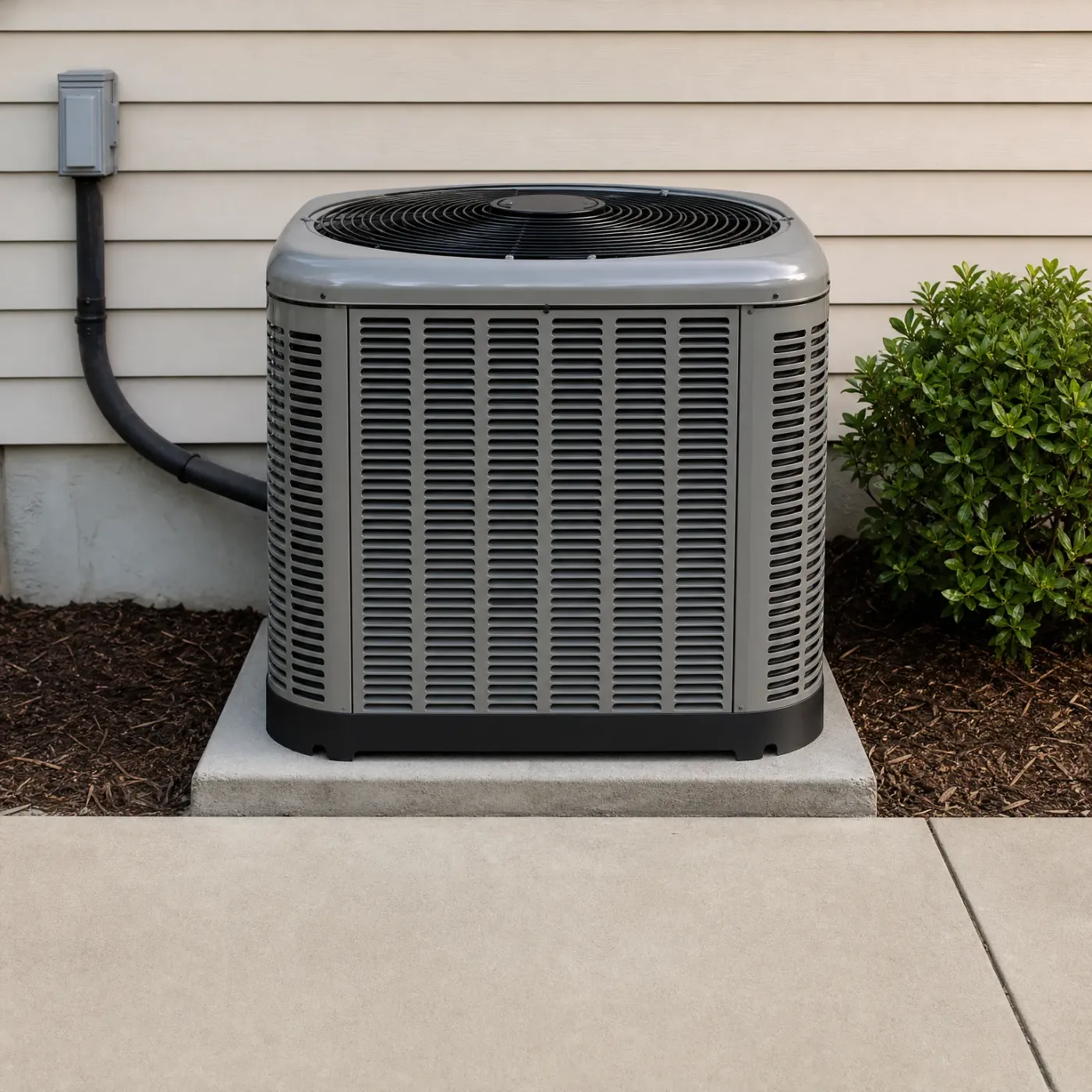
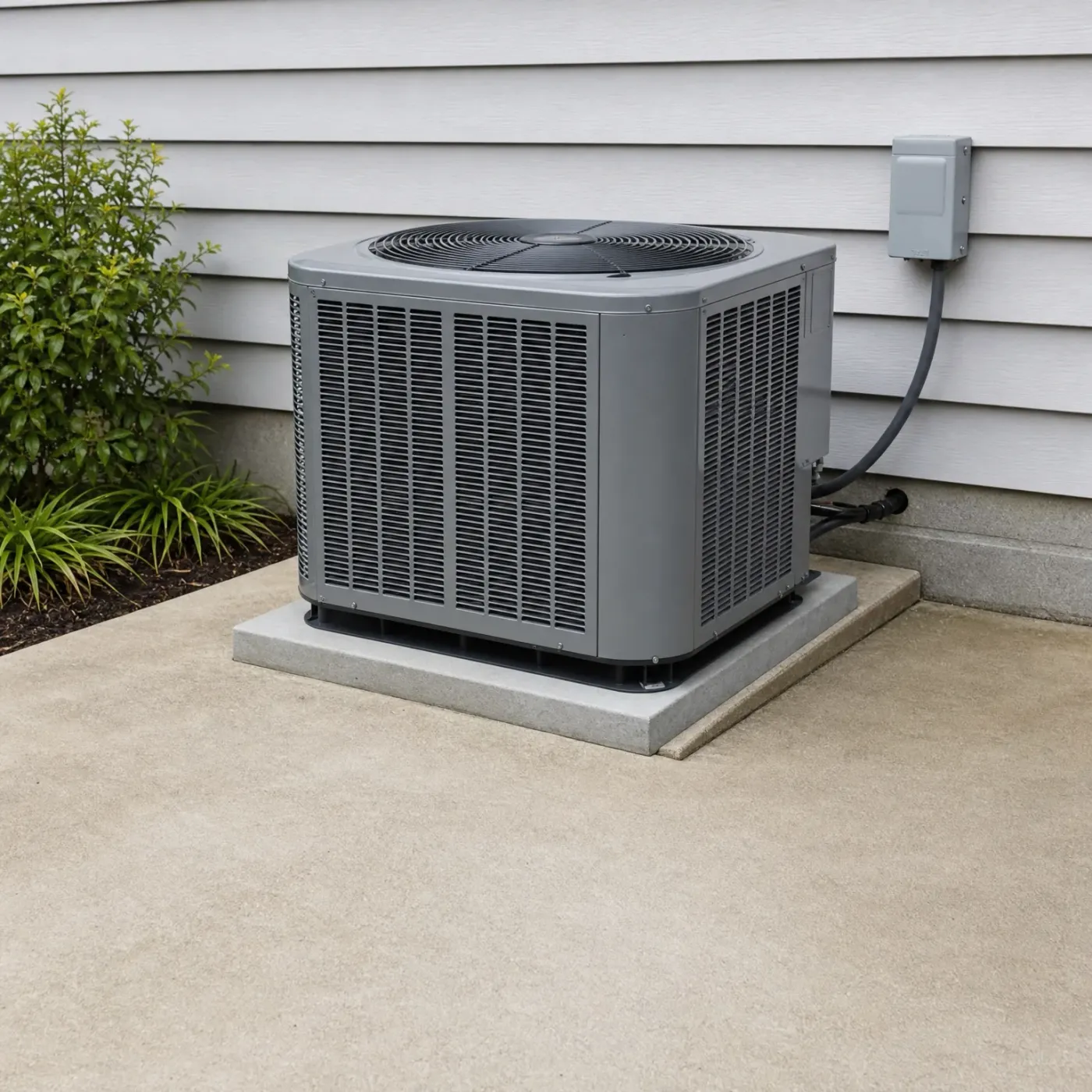
A gray outdoor air conditioning condenser unit on a concrete pad beside a house with horizontal lap siding, with a conduit and electrical disconnect box on the wall and a green shrub in mulch to the right.

Fan turning, air moving

This is what it looks like when the fan is doing its job. Air pulls through the grille and across the coil, and the heat the compressor just picked up actually leaves the unit instead of sitting there. Nothing on the outside looks like a problem because nothing is.

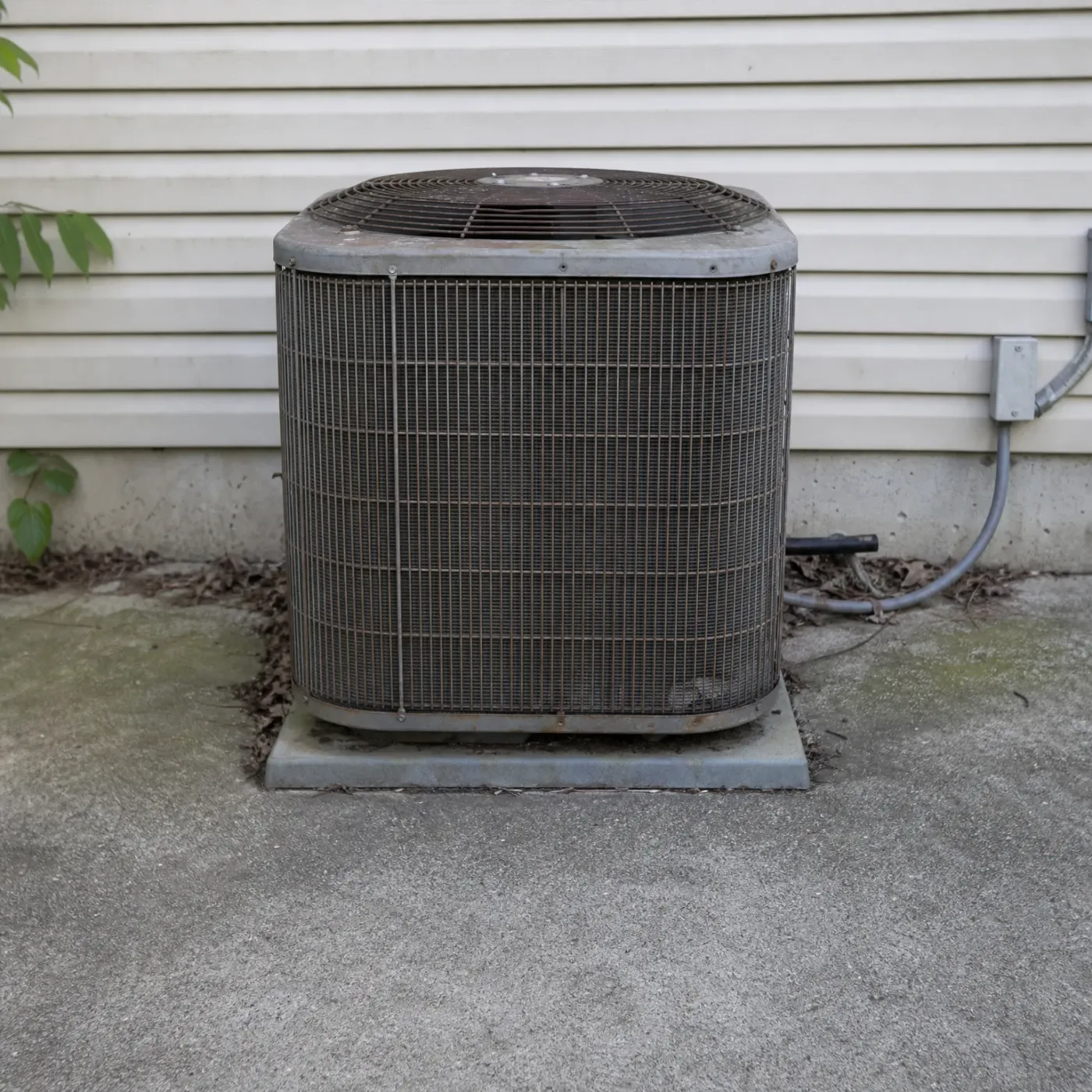
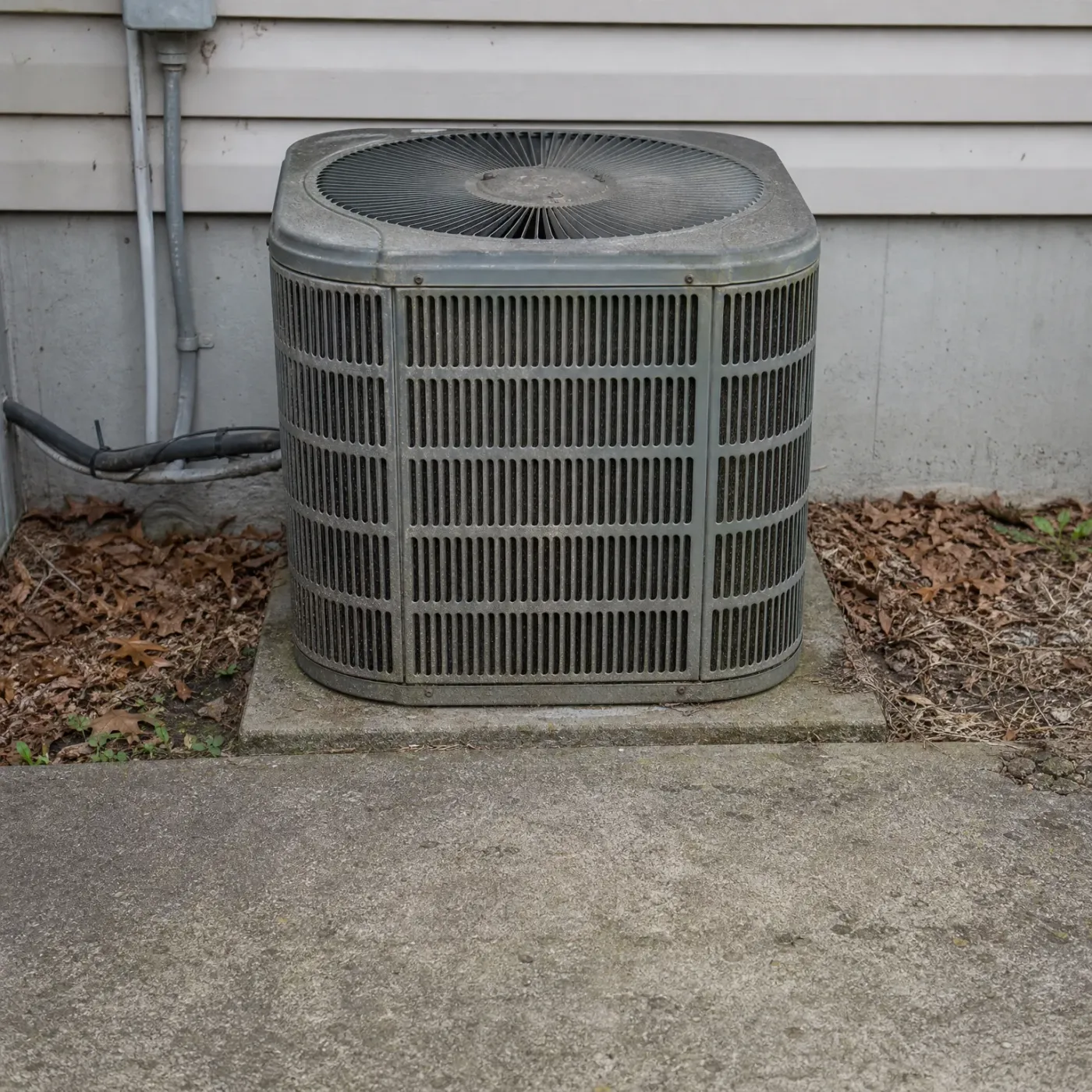
A weathered outdoor air conditioner condenser unit on a concrete pad beside a house with horizontal vinyl siding, with a conduit and disconnect box on the wall to the right.

Fan stopped, grime built up

This one has sat still long enough to collect dead leaves and dust on the grille. That buildup alone can make a weak capacitor's job harder, but a motor that's seized or a capacitor that's already failed will stop the fan no matter how clean the coil is.

What's happening inside your house right now

Inside, the vents are still blowing, so it's easy to think the system's fine. But the air coming out is warmer than it should be, and it keeps climbing the longer the unit runs. The thermostat might say 74 while the house actually sits at 82. You'll notice it first in the rooms farthest from the return, then everywhere. If this goes on through an Arizona afternoon, the compressor is working without any way to shed the heat it's pulling in, and that kind of strain is what turns a capacitor or motor problem into a compressor replacement.

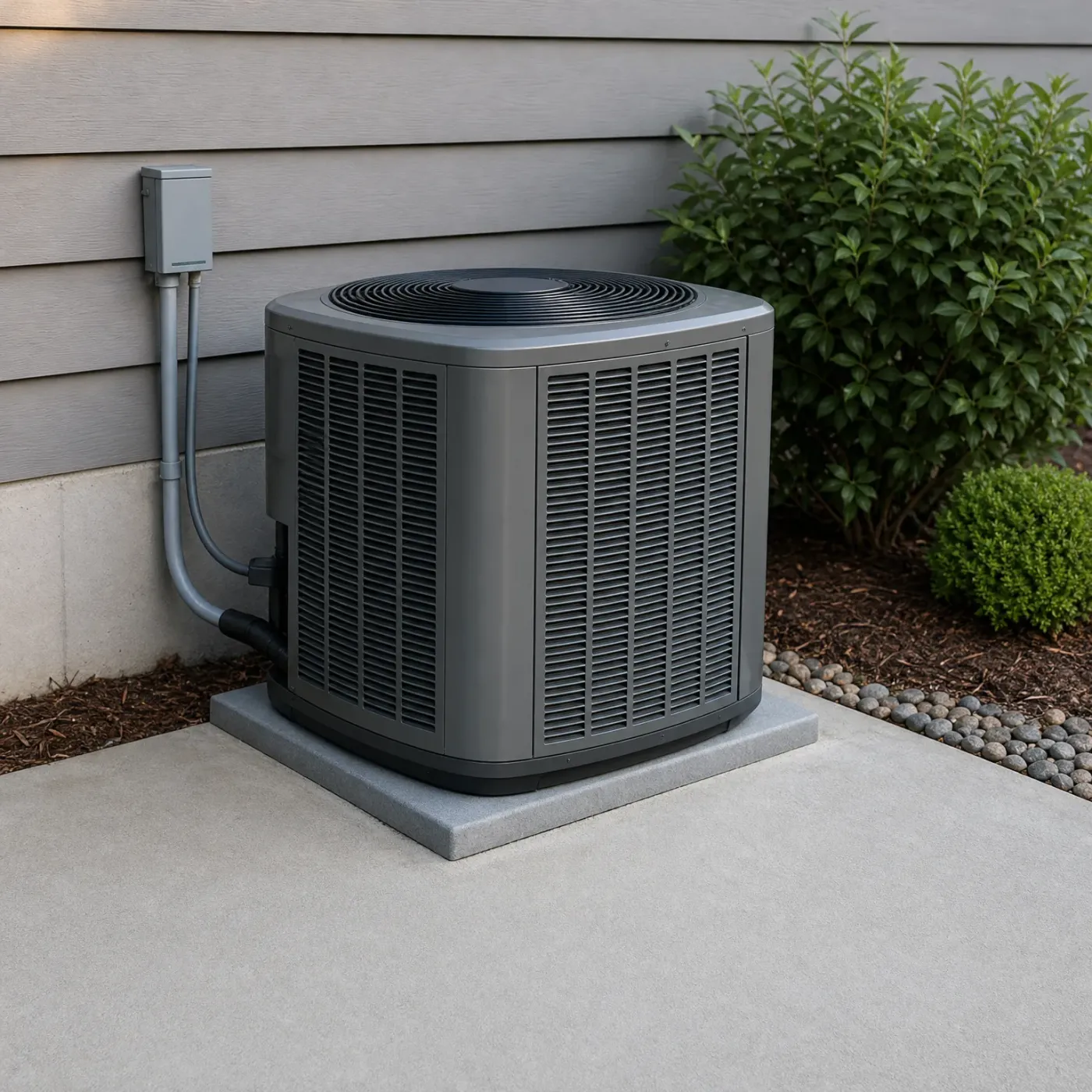
A gray outdoor air conditioner condenser unit on a concrete pad beside a house with horizontal lap siding, with a wall-mounted disconnect box and conduit at left and a green shrub and mulch bed at right.

Fan running as it should

This is the setup doing its job. The disconnect box feeds power down to the unit, the fan pulls outside air across the coil, and the heat the compressor collected outside leaves the pad instead of building up in it. Nothing about the unit looks different from the outside when this happens.

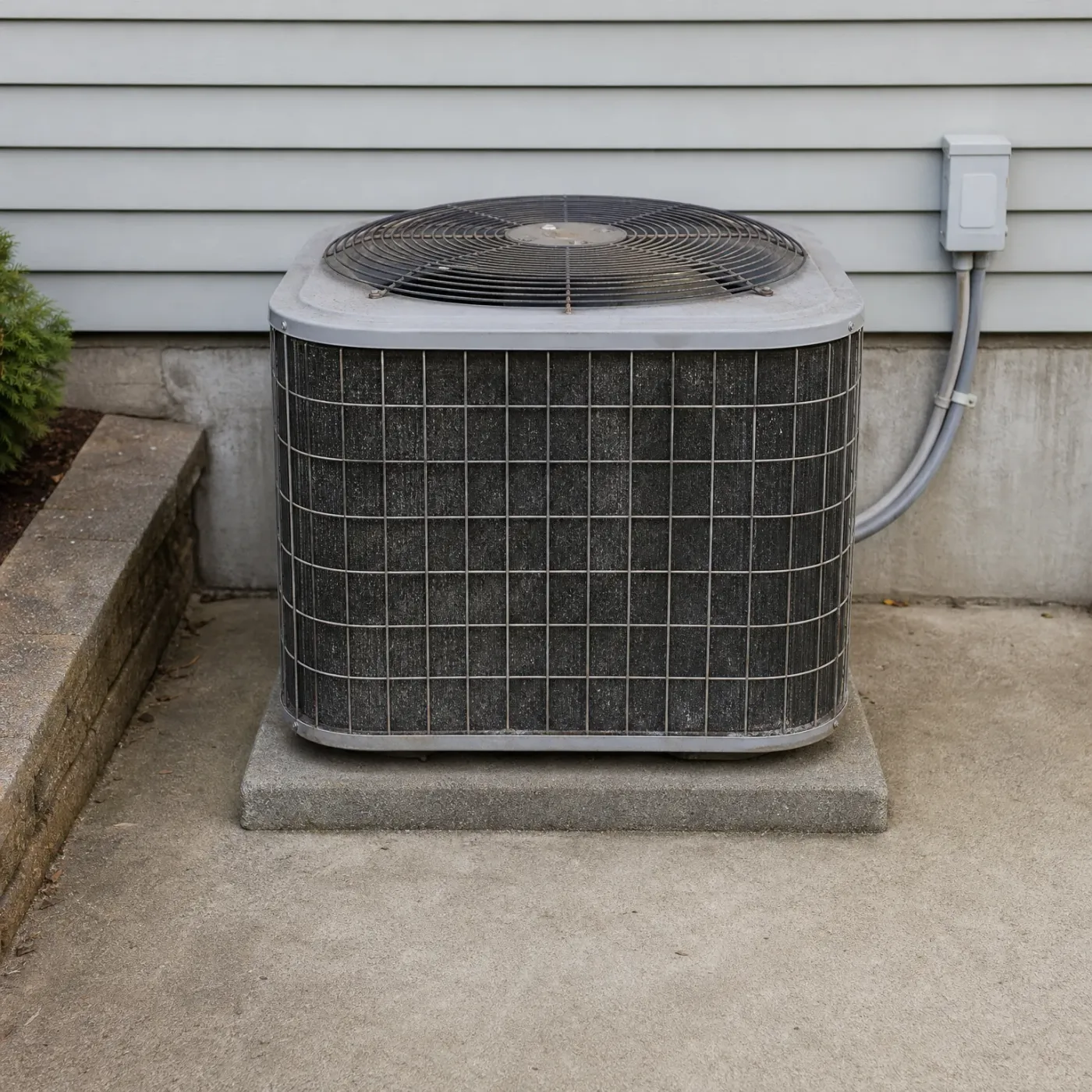
An outdoor air conditioner condenser unit on a concrete pad beside a house with horizontal lap siding, with a conduit running to a gray electrical disconnect box on the wall.

Fan stopped, unit still running

Same pad, same siding, same disconnect box, but the compressor is working alone. No shrubs or wiring hide what's wrong. Get close enough and you'll hear the hum without the fan moving, which means a licensed tech needs to get in there before the compressor takes the damage.

An outdoor air conditioning condenser unit on a concrete pad beside a house with horizontal siding and a concrete foundation, with dry brown leaves on the ground to either side.
Before you get your air conditioner repair
A gray outdoor air conditioning condenser unit on a concrete pad beside a house with horizontal lap siding, with a wall-mounted disconnect box and conduit, and shrubs to the left.
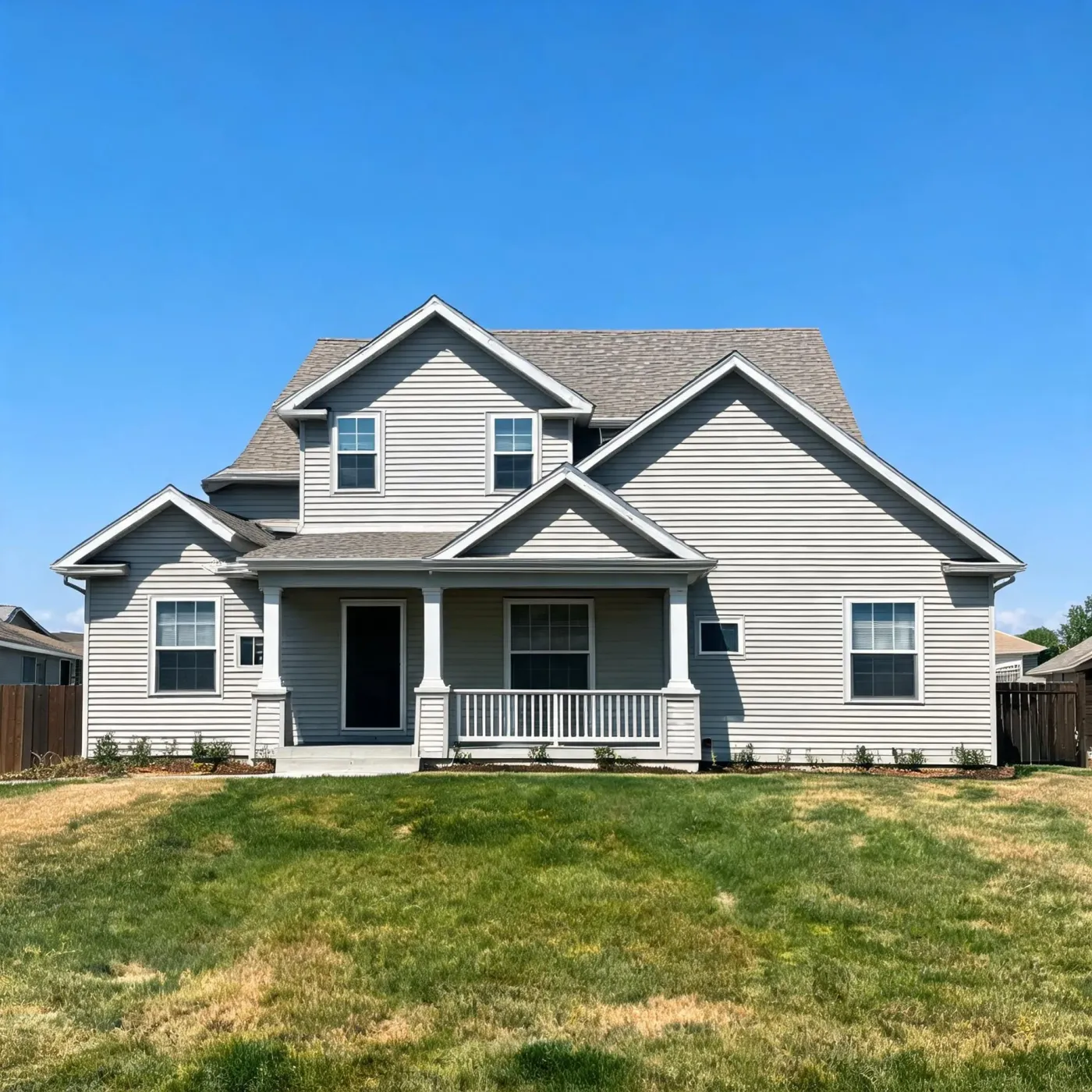
After you get your air conditioner repair
A two-story gray horizontal-siding house with multiple gables, a covered front porch with white columns and railing, and a dark front door, fronted by a patchy green and brown lawn under a clear blue sky.

Arizona air is dry, but it's not weightless. Averaged across homes here, the summer dew point runs 47°F over June, July and August, according to NOAA climate data. That's enough moisture that a stalled fan still costs you. Even with a quiet outdoor unit, the compressor keeps running, drawing in the day's heat with nowhere for it to go since the coil never gets its airflow. Inside, you'd feel it as the house losing ground slowly rather than all at once, the air never quite catching up no matter how long the system runs.

NASA POWER T2MDEW county cells weighted by homes

A fan that isn't spinning almost always comes down to a weak capacitor or a seized motor, and either one needs a tech with a meter to tell you which. That's a short visit, not a guessing game, when it's someone who works on these condensers all summer and already knows which part gives out first in this kind of heat. You'll be matched with one licensed local contractor, not a handful of companies calling you back at once, so the person who shows up is the person who fixes it. Until then, leave the unit off at the breaker so the compressor isn't running alone and building up heat it can't shed. Once that fan is turning again, the coil can do its job, the compressor stops laboring for nothing, and the air coming through your vents starts actually matching the number on the thermostat.

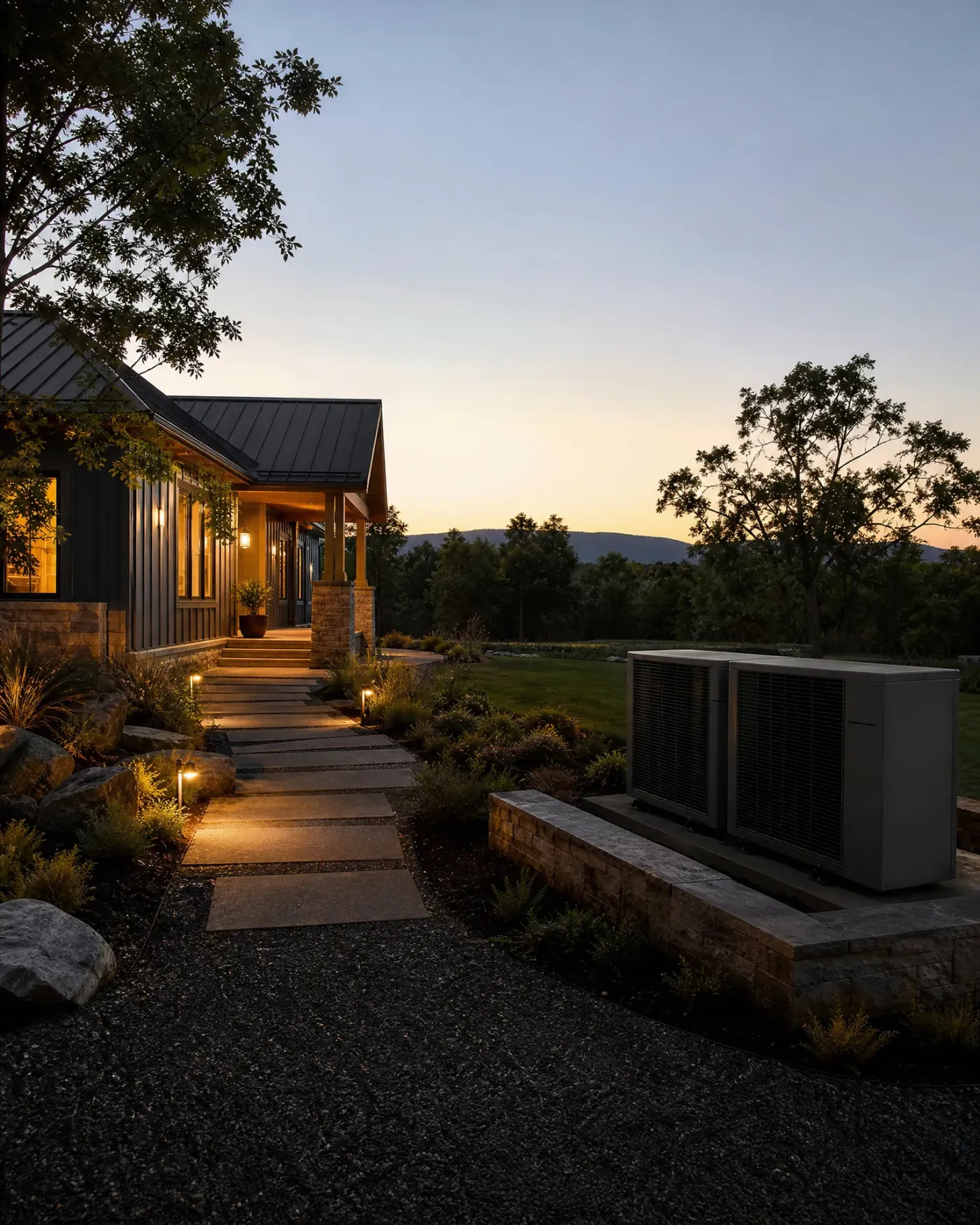
At dusk, a dark board-and-batten house with a standing-seam metal roof and lit entry walkway of stone pavers, with two large outdoor heat pump units on a stone-walled pad at right and trees and hills in the background.

Air Conditioner Repair

Send one request and you're done looking

Step 1 of 3: Equipment
  • A beige upholstered armchair with an olive cushion sits in a sunlit corner beside a wooden side table holding a ceramic vase with leafy branches, under a framed abstract artwork, on a woven rug over a wood floor.
    • Say what's going on with your air conditioner, and a pro who works on them reaches out.
    • A local pro who knows air conditioners gets your details and gets in touch.
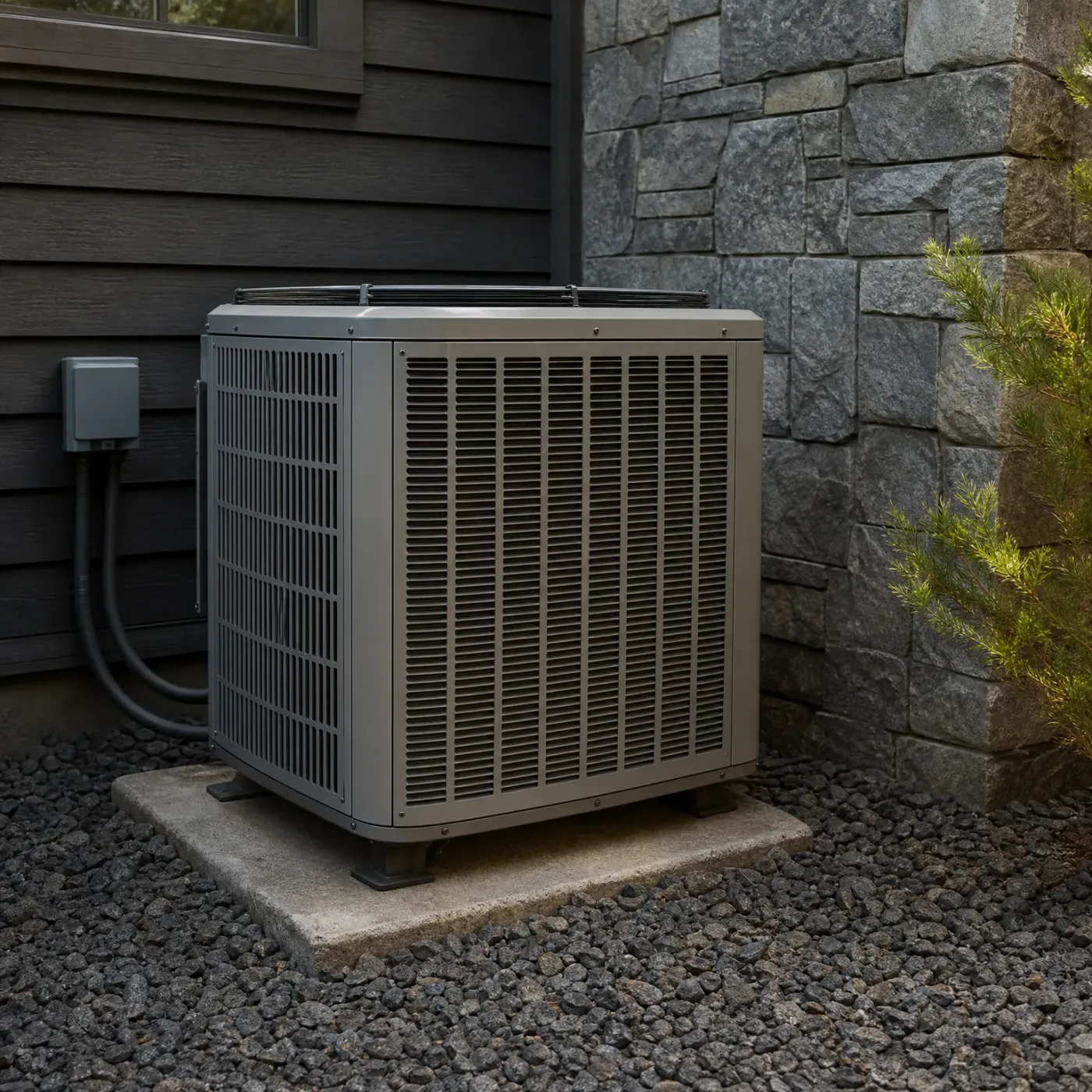
  • A gray outdoor condenser unit on a concrete pad surrounded by dark gravel, beside a dark wood-sided wall with an electrical disconnect box and a stone veneer wall with a small evergreen shrub.
    • Send the request and finding a pro stops being your problem.
    • After this form, you can stop searching for an air conditioner pro.
  • A beige upholstered oversized armchair with a matching cushion and a knit throw draped over one arm, beside a round wooden side table holding a vase of greenery near a curtained window, with a framed landscape print on the wall and a woven rug on a wood floor.
    • Fill out one short form instead of calling around.
    • Explain the job once and skip repeating it on every call.
  • Sunlit living room corner with a beige upholstered sofa, cushion and knitted throw, a round wooden side table holding a white ceramic vase of leafy branches and a small wooden bowl, a framed landscape painting on the wall, and a window at right.
    • Your request stays with one local pro.
    • Your request goes to one pro, not a list of companies.