Skip calling around
The R-410A phase-out and new AC units in Arizona
R-410A is being phased out, and if your AC runs on it, you're probably wondering what that means when it's time to replace the unit. This page covers how the change affects a new install in Arizona's heat. Rather than calling around to different AC companies and explaining your system over and over, you can get matched with one licensed local installer who works on Arizona systems all summer and knows what the switch actually involves.
Describe it onceR-410A is being phased out because of a federal rule, not because your air conditioner stopped working. As of 2025, new AC units sold and installed in the US use R-454B or another approved refrigerant instead. If your system runs on R-410A, it's still legal to use and repair; a contractor can still find the refrigerant to service it. The change only matters when the unit is replaced, since the new one will run on the new refrigerant. In Arizona, where the AC runs hard for months and a weak system shows itself fast in July and August heat, that mostly matters for parts and labor: a new outdoor unit, new coil, and sometimes new line set, since the old and new refrigerants aren't interchangeable in the same equipment. It doesn't change how the house cools or what temperature you'll keep it at. It changes what goes into the install when that day comes.
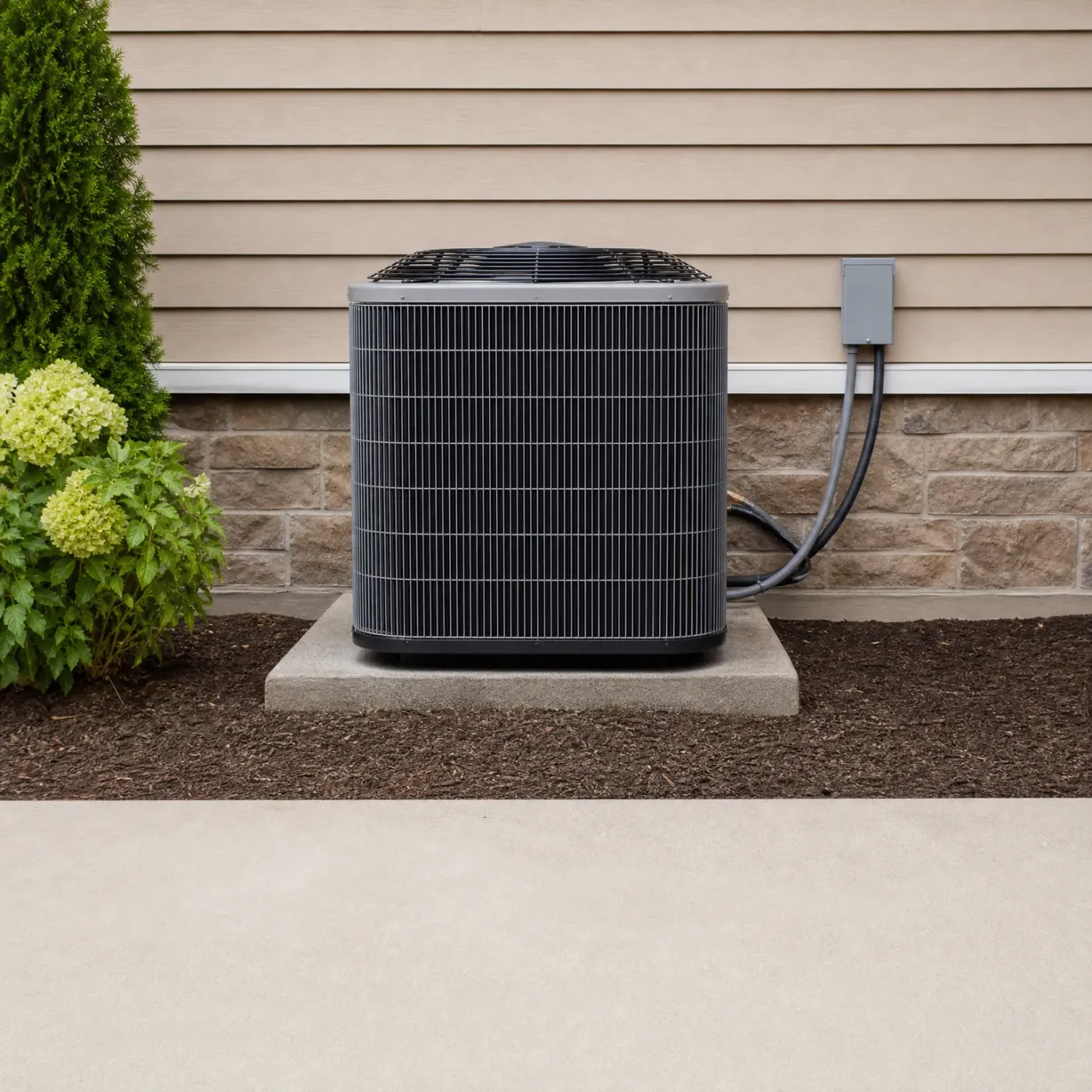
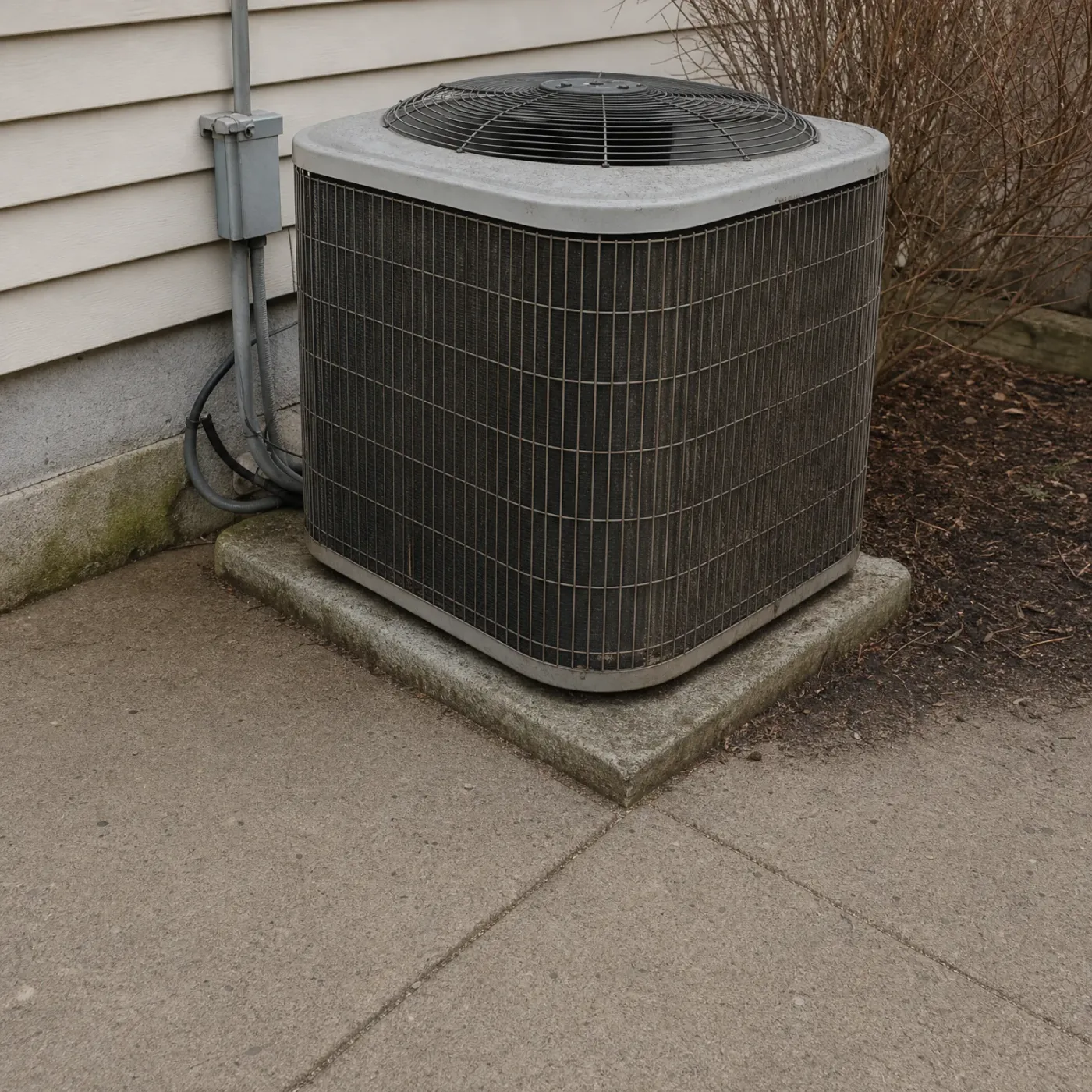
R-454B does the same job as R-410A but it's handled differently from the moment the truck shows up. It has a mild flammability rating, so the line sets get checked and joined with that in mind, and leak checks follow a different procedure. The condenser and the coil or air handler have to match. A contractor can't set a new R-454B unit on top of your old coil, even if that coil still looks fine, because the two refrigerants don't mix in one system. That also rules out replacing only the outdoor unit and calling it done. Finding leaks takes sensors built for R-454B specifically, since the tools calibrated for R-410A won't read it right. And in Arizona, where the outdoor unit runs hard for months at a stretch once summer sets in, getting the refrigerant charge exactly right at installation matters more than it would somewhere with a shorter, milder summer. None of this is optional once you're working with the new refrigerant.
What's Different Inside the Install
- R-454B carries a mild flammability rating, so installers follow different line-set and leak-check procedures than they did with R-410A.
- A new R-454B condenser needs an air handler or coil rated for the same refrigerant, since the two don't mix in one system.
- Technicians working on R-454B systems need updated certification, because the handling rules differ from the old refrigerant.
- Arizona's long run of 100-degree days means a new system spends more hours at full load, so correct refrigerant charge matters from day one.
- Leak detection on R-454B equipment uses sensors built for that refrigerant, since the old R-410A sniffers aren't calibrated for it.
- Replacing just the outdoor unit while keeping an old R-410A coil isn't an option once the new refrigerant is in play.




Describe it once
When your R-410A unit finally gives out, you're not just replacing a condenser. You need someone who knows the R-454B line-set rules, pulls the right permits for a mildly flammable refrigerant, and matches the coil correctly the first time, because in July heat here you don't get a second try while parts get ordered. Finding that person usually means pulling up a search, calling three or four AC companies, explaining the same thing each time, waiting on callbacks, then sitting with quotes that use different terms for different work. The contractor behind this button works on Arizona systems through the heat every year and has already seen what a rushed R-410A to R-454B swap gets wrong. Your request goes to one licensed local contractor, not a list of them, so you're not fielding five calls while your house sits at 85 degrees. You deal with one person who already knows what you're dealing with.
What a Failed R-410A Unit Means for You
- In Arizona's heat, a failed AC in July is an emergency, not a weekend project you can plan around.
- If your condenser fails but your coil doesn't, finding an R-410A match gets harder as supply shrinks.
- An R-454B install means a different coil, different line-set handling, and a permit that reflects the refrigerant change.
- Electric heat in Arizona homes means the same outdoor unit often handles both sides of the year, so a rushed swap affects more than summer.
- A mismatched coil and condenser won't run efficiently even if it powers on, and that shows up on your electric bill.
- Getting quotes from several companies after a breakdown means explaining the R-410A to R-454B question again each time you call.
Picture the day your condenser quits. It's July, the house is heating up fast, and you're not looking at a calm decision between refrigerants. You're looking for someone who can get a unit in before the heat does real damage to your week. If the coil inside is still good, the contractor has to decide whether to hunt down a matching R-410A condenser, which gets harder to source as production winds down, or move the whole system to R-454B, which means replacing the coil too since the two refrigerants don't run in the same system. That decision changes the permit, the line-set work, and what gets installed in your attic or closet. Since most homes here use the outdoor unit for electric heat as well as summer cooling, whatever goes in has to carry you through both halves of the year, not just get you through August. A rushed match, a coil that's close but not rated for the same refrigerant as the condenser, can end up running and still cost you more every month on the electric bill without ever throwing an error code. And if the failure catches you off guard, calling around to a few companies means repeating the same R-410A to R-454B explanation each time, while the house sits hot. A contractor who works on this equipment in Arizona year-round has usually already seen what your specific failure means and what it takes to do the swap right the first time, on a system that has to work for you in winter too.
Power costs 15.26 cents per kilowatt-hour statewide
At 15.26 cents per kilowatt-hour, every degree you push an aging R-410A system to hold shows up on the bill fast once Arizona heat sets in. A new R-454B unit sized and installed right keeps that cost from creeping up along with the summer temperature.
EIA-861 2025 statewide residential average

Where this leaves you
R-410A isn't gone, but it's on its way out, and a failed unit in July won't wait for the market to sort itself out. If your condenser quits in the middle of an Arizona summer, the choice is a same-refrigerant patch that gets harder to source or a proper R-454B install with a matched coil.
Either way, this isn't a call you want to make to five different companies while your house sits at 85 degrees. Finding someone local who installs R-454B systems correctly, pulls the right permit, and shows up before the heat becomes a real problem for whoever's home all day is the part that takes the time. One licensed contractor who already knows this equipment, instead of a string of calls and quotes to sort through, gets your house cool again sooner.



Air Conditioner Installation
No phone calls to make
The pro who reaches out is licensed in Arizona.